Coping with School Bullying: A Guide for Parents and Educators in India
A Story That’s All Too Common
Ananya, a bright 12-year-old student in a reputed Indian school, suddenly became withdrawn. Her once-stellar grades dropped. She began faking stomach aches to avoid class. After weeks of silence, her mother learned the heart breaking truth—Ananya was being mocked daily by peers for her dark skin tone and weight.
The school had no formal anti-bullying policy. Teachers brushed it off as “harmless teasing.” But for Ananya, it wasn’t harmless. It was trauma. And like thousands of Indian children, she was suffering in silence.
Why Bullying Is a Mental Health Crisis, Not Just a Discipline Issue
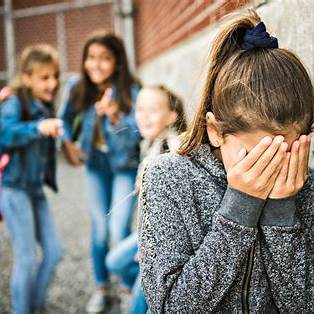
Bullying doesn’t just hurt feelings—it alters a child’s emotional development, mental health, and even brain function. It shapes how they see themselves, how they learn, and how they grow into adulthood.
We must stop treating bullying as a “rite of passage.” Instead, we must respond with compassion, structure, and evidence-based strategies
📘 FAQs: Understanding Bullying in Schools
- What qualifies as bullying in schools?
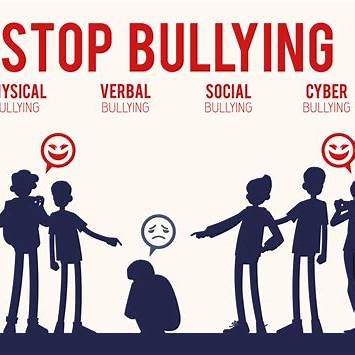
Answer: Bullying is repeated aggressive behavior aimed at harming or intimidating someone seen as vulnerable. It can take various forms:
- Physical: Hitting, pushing, tripping
- Verbal: Name-calling, slurs, threats
- Social/Relational: Exclusion, rumors
- Cyberbullying: Harassment via phones, messages, or social media
💡 Important: Bullying is not a normal part of growing up—it has lasting emotional and psychological consequences.
- What is the emotional impact of bullying?
- Low self-esteem
- Social withdrawal
- Anxiety and depression
- Academic decline
- Sleep issues
- Suicidal thoughts
Answer: Children may internalize the blame and believe they “deserve” this behavior—leading to toxic shame and learned helplessness.
- What happens in the brain of a bullied child?
Answer: Bullying activates the Amygdala, triggering a fight-or-flight response. Over time, this raises cortisol (stress hormone) levels and causes:
- Impaired memory and learning (via the hippocampus)
- Reduced emotional regulation (affecting the prefrontal cortex)
- Heightened sensitivity to social threats
➡️ Bullying isn’t just psychological—it’s neurological trauma.
- What are early signs a child is being bullied?
- Unexplained injuries
- Missing money or belongings
- Frequent headaches or stomach aches
- Avoiding school or social events
- Mood swings: sadness, anger, irritability
- Drop in grades
- Trouble sleeping
🔍 Children rarely say, “I’m being bullied.” Instead, they show it through behavior.
🏫 How Schools Can Prevent Bullying
In India, many schools still lack formal bullying policies. We need trauma-informed schools that understand all behavior is communication.
✅ Effective Anti-Bullying Strategies:
- Anonymous reporting tools
- Classroom sessions on empathy and inclusion
- Teacher training on recognizing microaggressions
- Restorative justice approaches (not just punishment)
- Peer support groups or student-led clubs
“A trauma-informed school doesn’t ask, What’s wrong with this child?
It asks, What happened to this child?”
🧑🏫 What Can Educators Do in the Classroom?
- Notice: Observe power dynamics and social exclusion.
- Name: Don’t stay silent—say, “That’s not okay.”
- Normalize: Talk about bullying, kindness, and respect.
- Neutralize: Use SEL (Social-Emotional Learning) tools like circle time or feelings charts to help students express emotions.
❤️ Helping a Bullied Child Heal Emotionally
Stopping the bully is only part of the healing process. The child also needs:
- Emotional safety and routine
- Validation and encouragement
- Therapy or counseling, if trauma symptoms appear
- Confidence-building through art, dance, or hobbies
Tools parents can use:
- Emotion coaching: “I see you’re upset—let’s talk.”
- Role-playing to build assertiveness
- Mindfulness & breathing to ease anxiety
✅ The Case for Trauma-Informed Schools
Trauma-informed schools:
Train staff in emotional regulation and de-escalation
Build predictable, safe environments
Help children name and understand their emotions
A child cannot learn if they don’t feel emotionally safe.
📚 Case Study: A Bengaluru School’s Transformation
At a Bengaluru-based school, bullying in middle grades was widespread. After growing complaints, the principal took action by partnering with a child psychiatrist. They implemented:
Weekly SEL (Social Emotional Learning) classes
A student mentorship program pairing older students with younger ones
A “Kindness Wall” where students could post positive notes
🎯 Results:
Bullying incidents dropped by 60%
Students reported feeling safer and more connected
Final Word: Bullying Is Preventable—If We Act
Bullying destroys more than self-esteem. It crushes creativity, breaks confidence, and warps a child’s sense of worth.
But we can change the script—with awareness, early action, and compassionate leadership.
If you’re a parent, educator, or school leader, your role is critical:
Start the conversation early
Build trust with children
Collaborate with professionals when needed
🩺 Need Expert Guidance?
Follow 👉 @dr.pavanasp for real talk on child and teen mental health.
Book a consultation: 👉
Written by Dr. Pavana S
Psychiatrist | Child & Adolescent Psychiatrist | Psychosexual Medicine Expert
Akshaya Medical Centre
Creating calm minds and connected classrooms.
🗣 Struggling to connect with your teen?
You’re not alone—and you’re not without tools.
Check out our blog on 👉 7 Best Ways To Communicate With Teens for practical tips that really work.